Lime or Lemon: The Easy Guide to the Difference
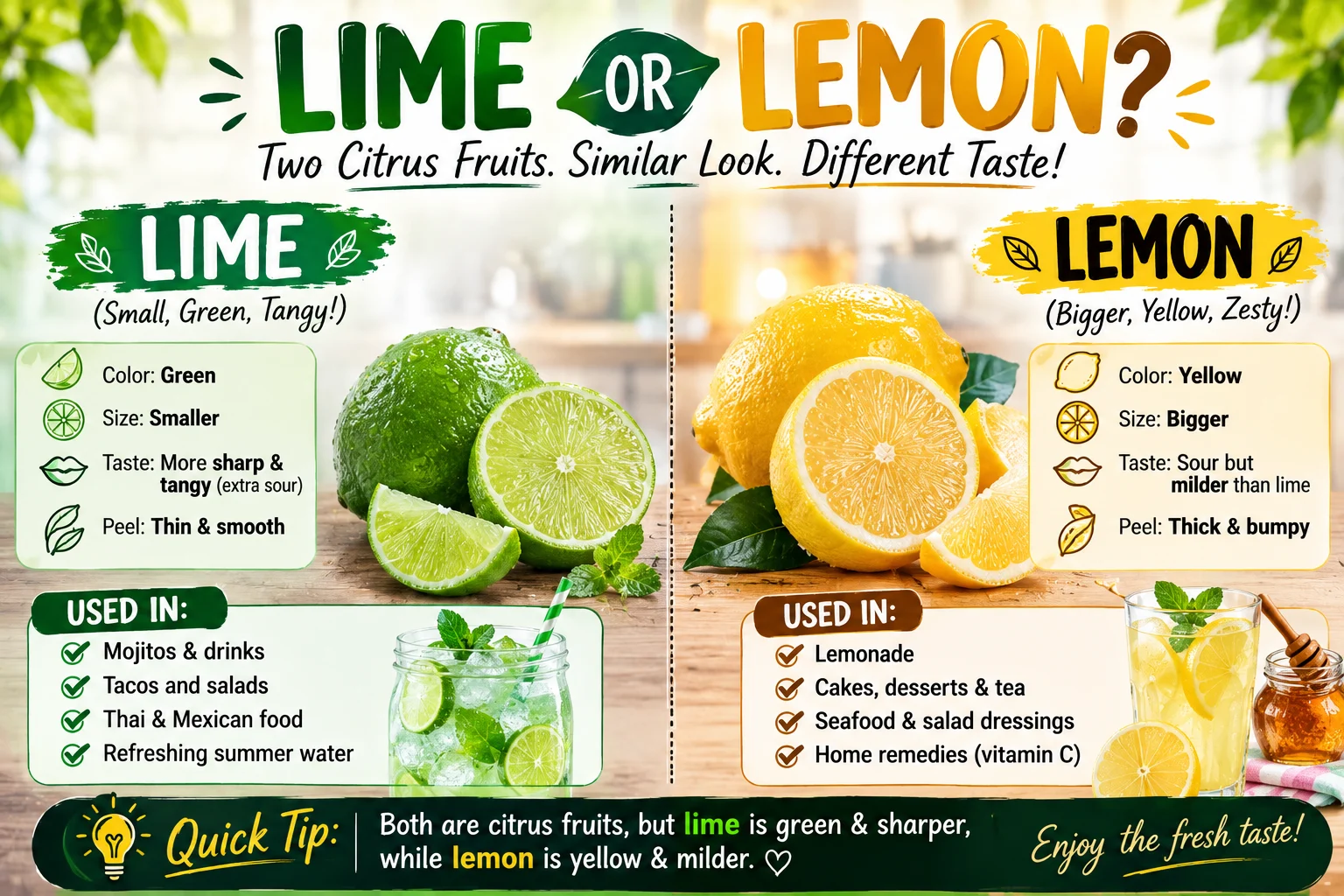
Lime and lemon are different citrus fruits. Lemons are usually larger, yellow, and milder, while limes are usually smaller, green, ...
Read more
Damn or Dam: The Easy Guide to Correct Usage
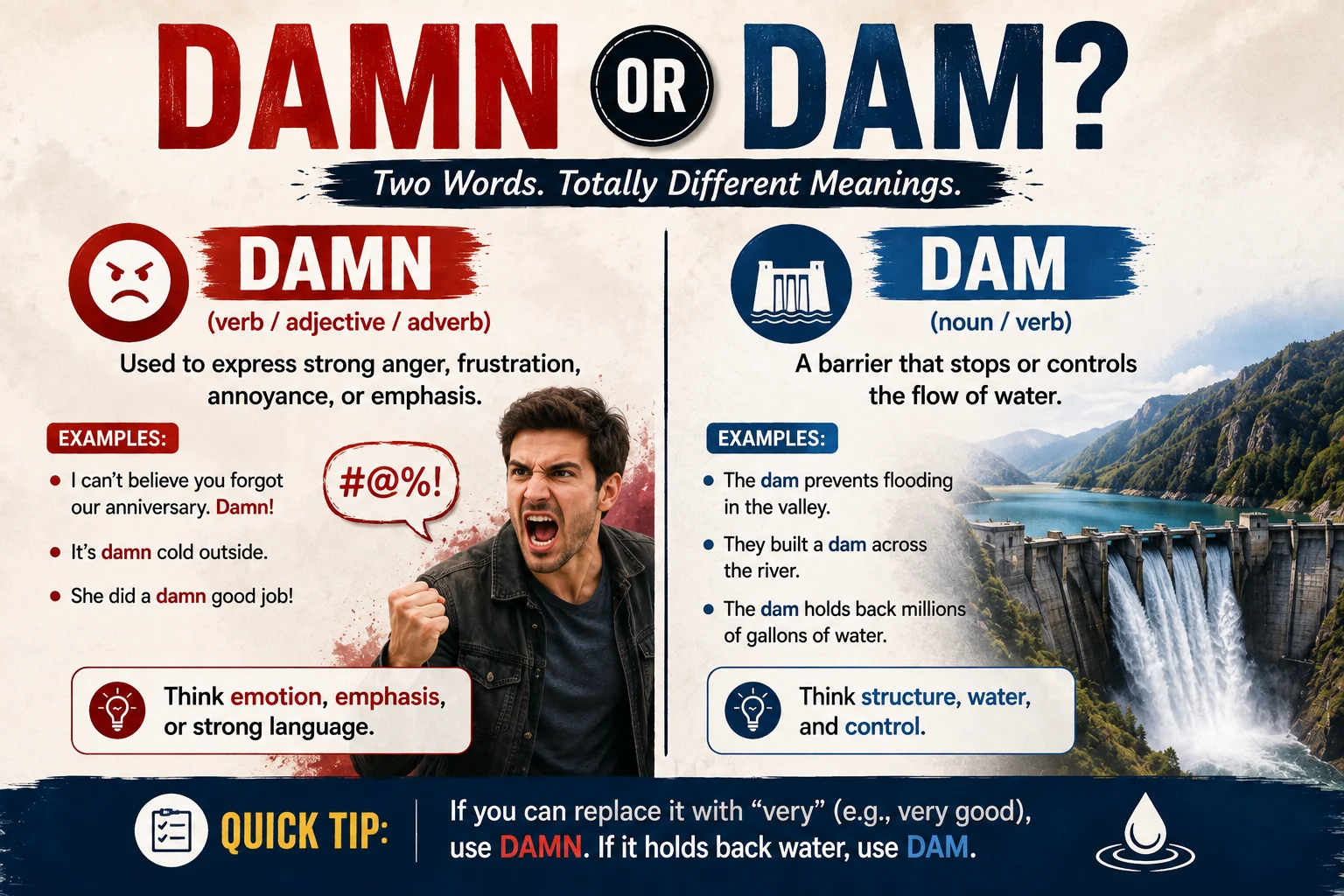
Damn is the correct spelling when you mean an expression of anger, surprise, emphasis, or a curse. Dam is a ...
Read more
Psych or Sike: The Easy Guide to Meaning and Usage
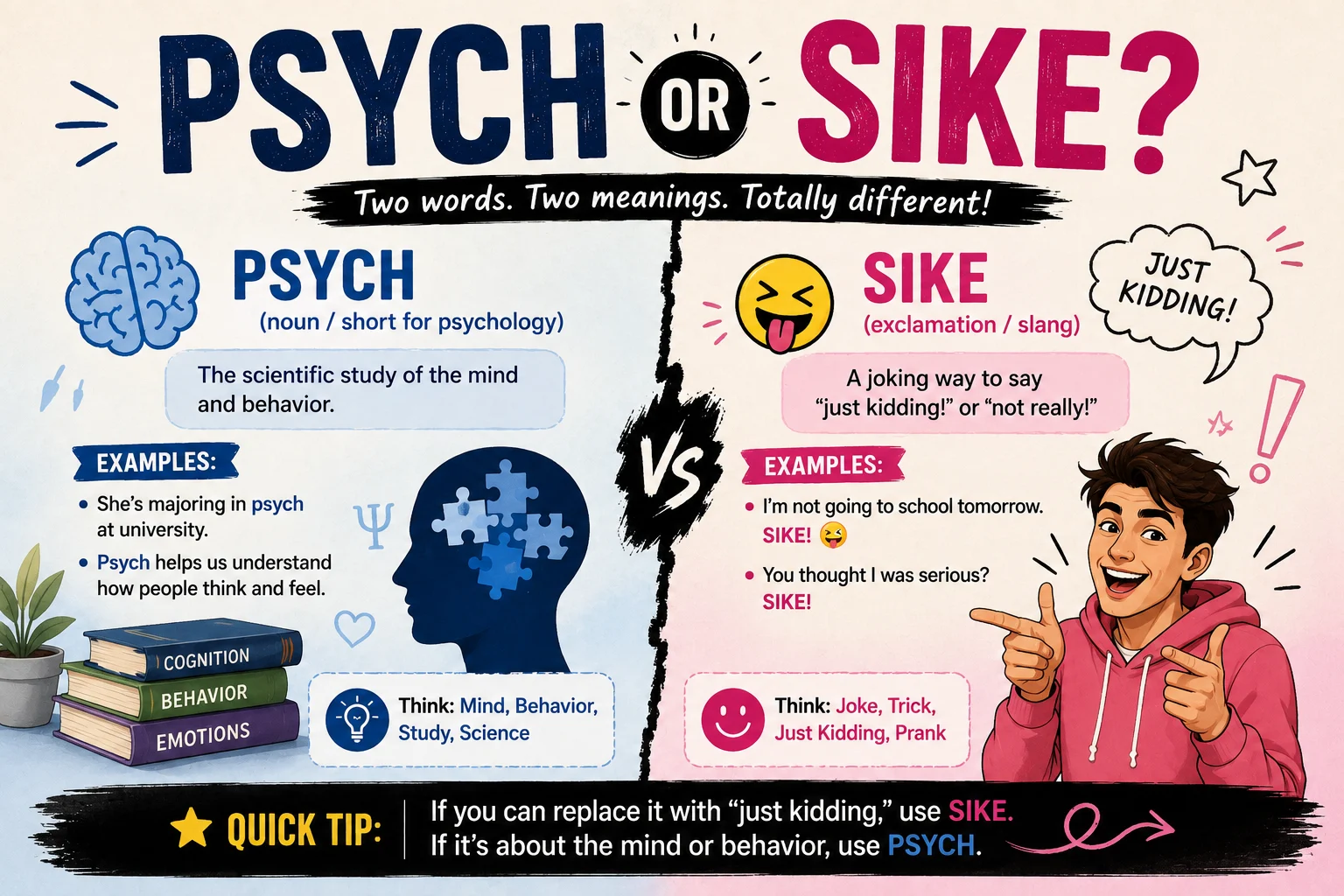
Psych is the standard spelling when you mean “just kidding” or “I fooled you.” Sike is a popular informal spelling ...
Read more
Laptop or Labtop: The Complete Spelling Guide
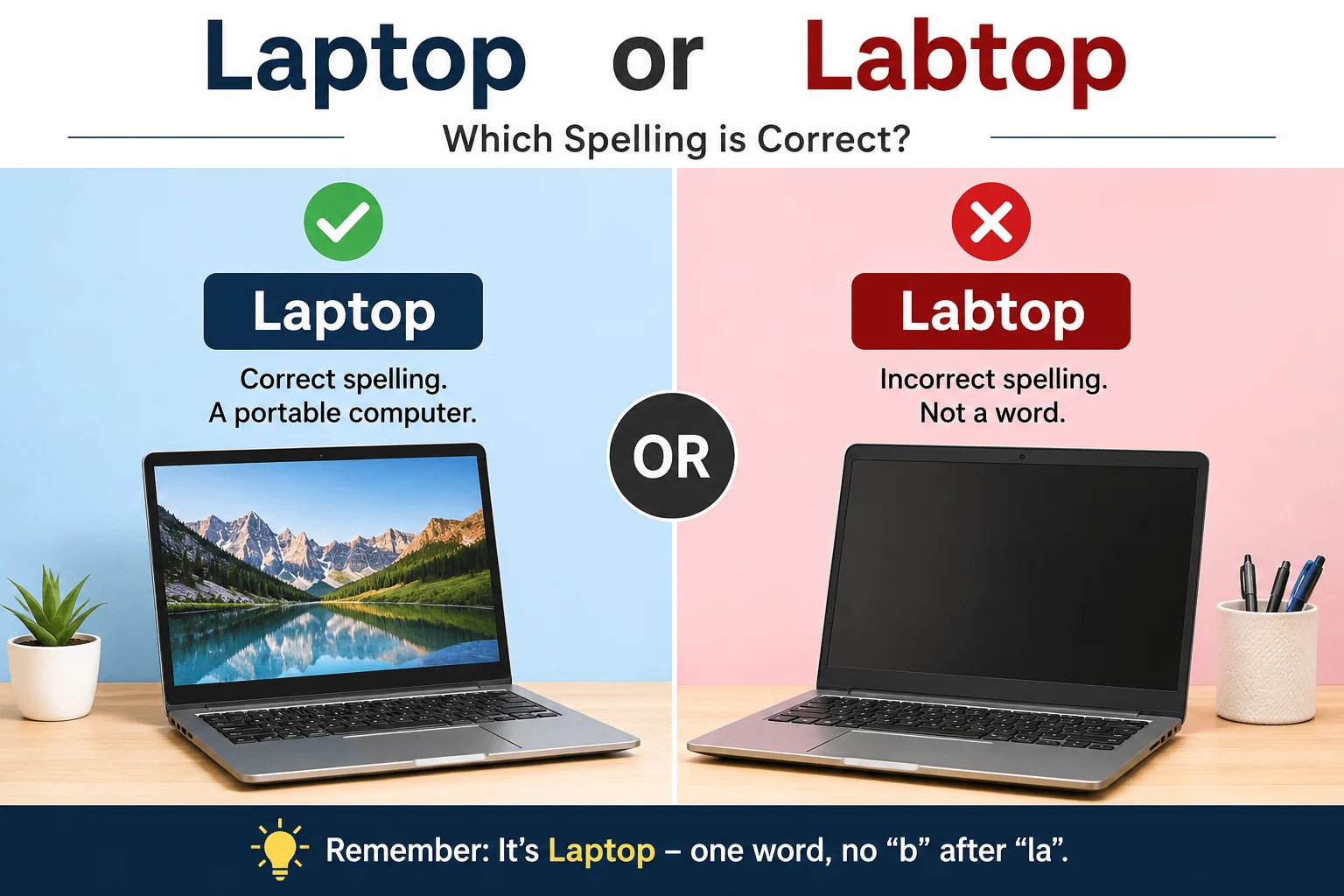
Laptop is the correct spelling for the portable computer. Labtop is a common spelling mistake and is not standard English. ...
Read more
Intention or Intension: The Easy Difference
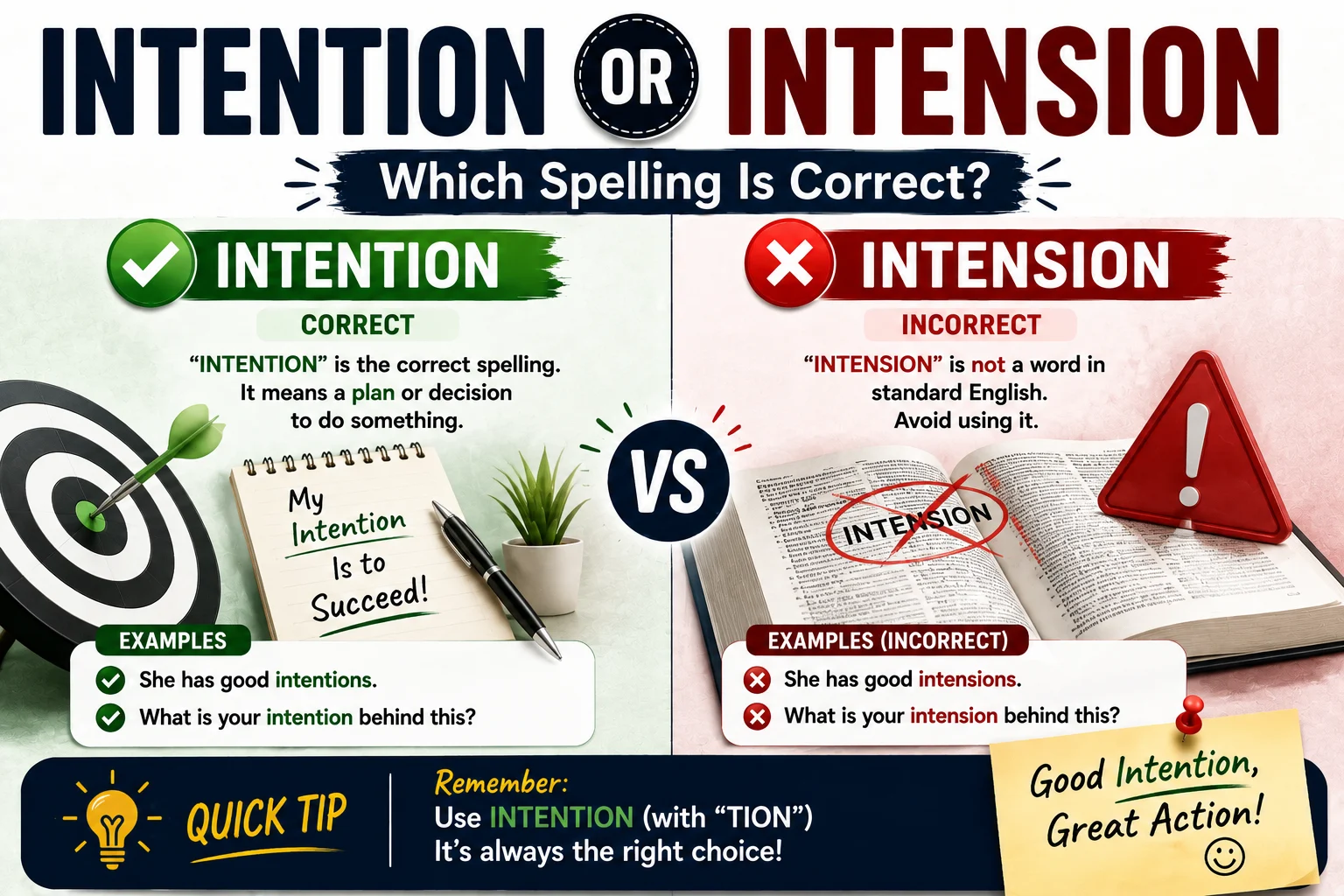
Intention means a plan, purpose, or aim behind an action. Intension is a different, much less common word used mainly ...
Read more
Conversating or Conversing: The Easy Answer
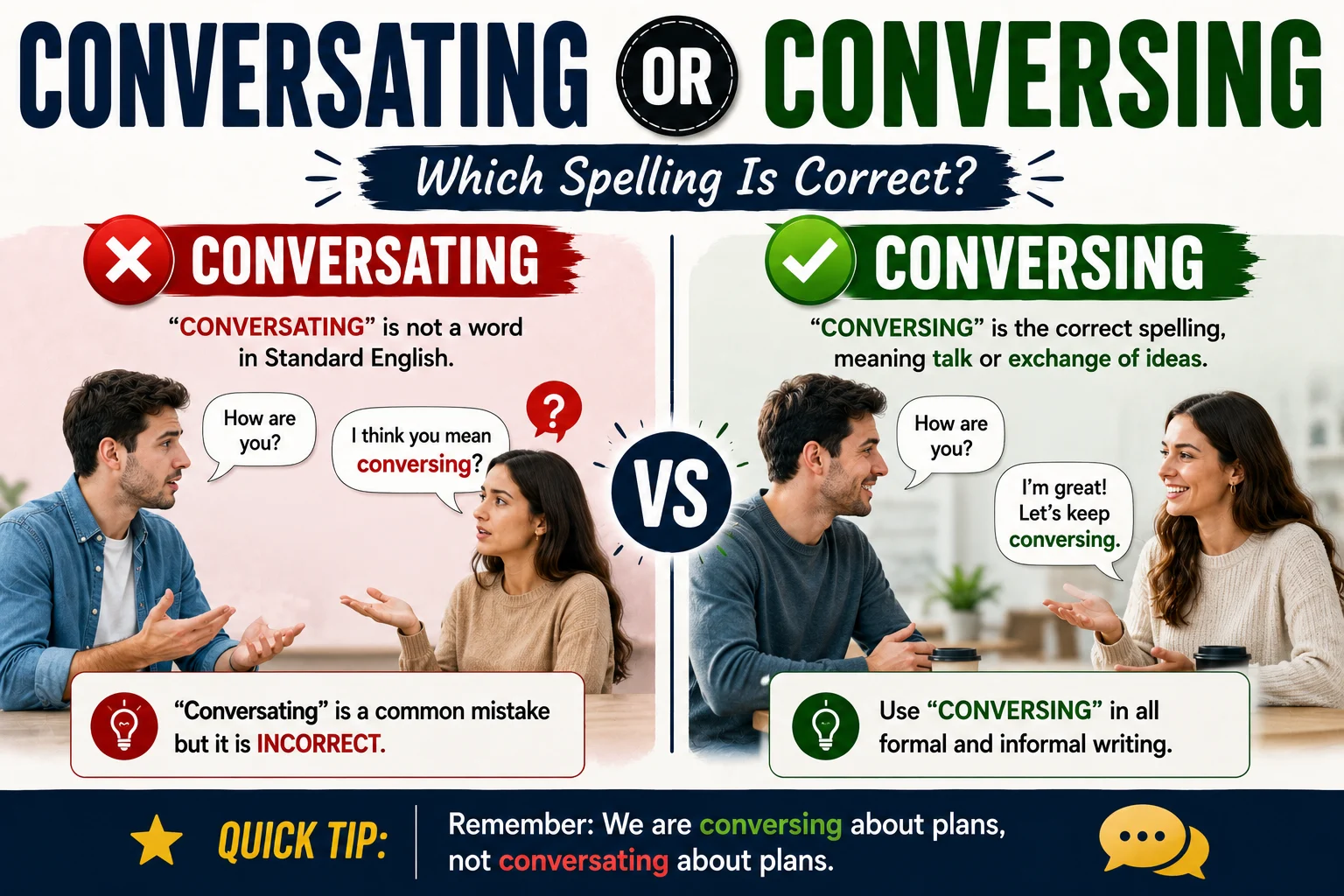
Conversating and conversing both relate to having a conversation, but conversing is the standard and widely accepted form. For formal ...
Read more
Syllabuses or Syllabi: Which Is Correct?
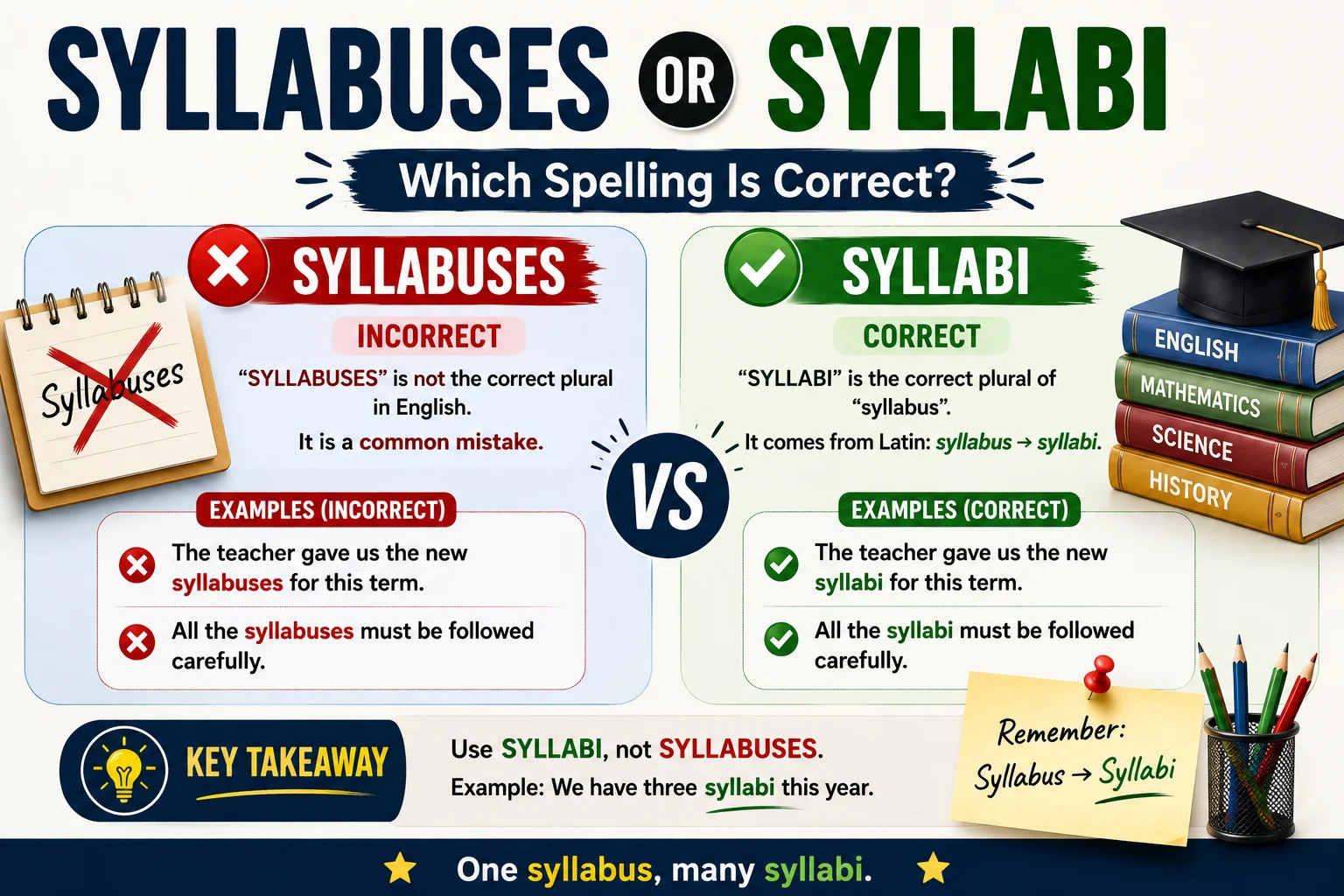
Syllabuses and syllabi are both correct plural forms of syllabus. Syllabi is the traditional Latin-based plural, while syllabuses is a ...
Read more
White or Wheat: Easy Guide to the Difference
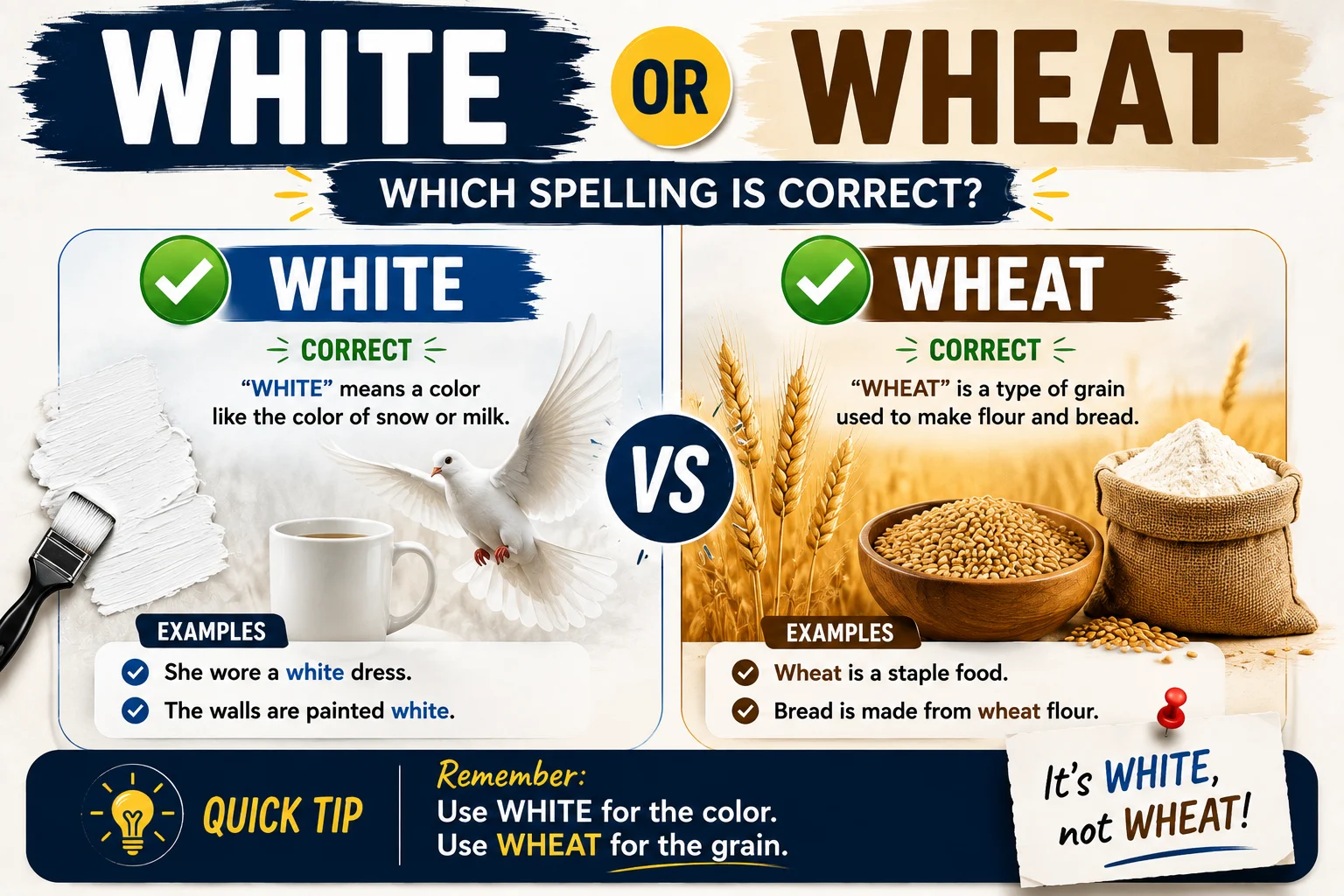
White and wheat are both correct English words, but they have different meanings. White describes a color, while wheat is ...
Read more
Rational or Rationale: Easy Guide to the Difference
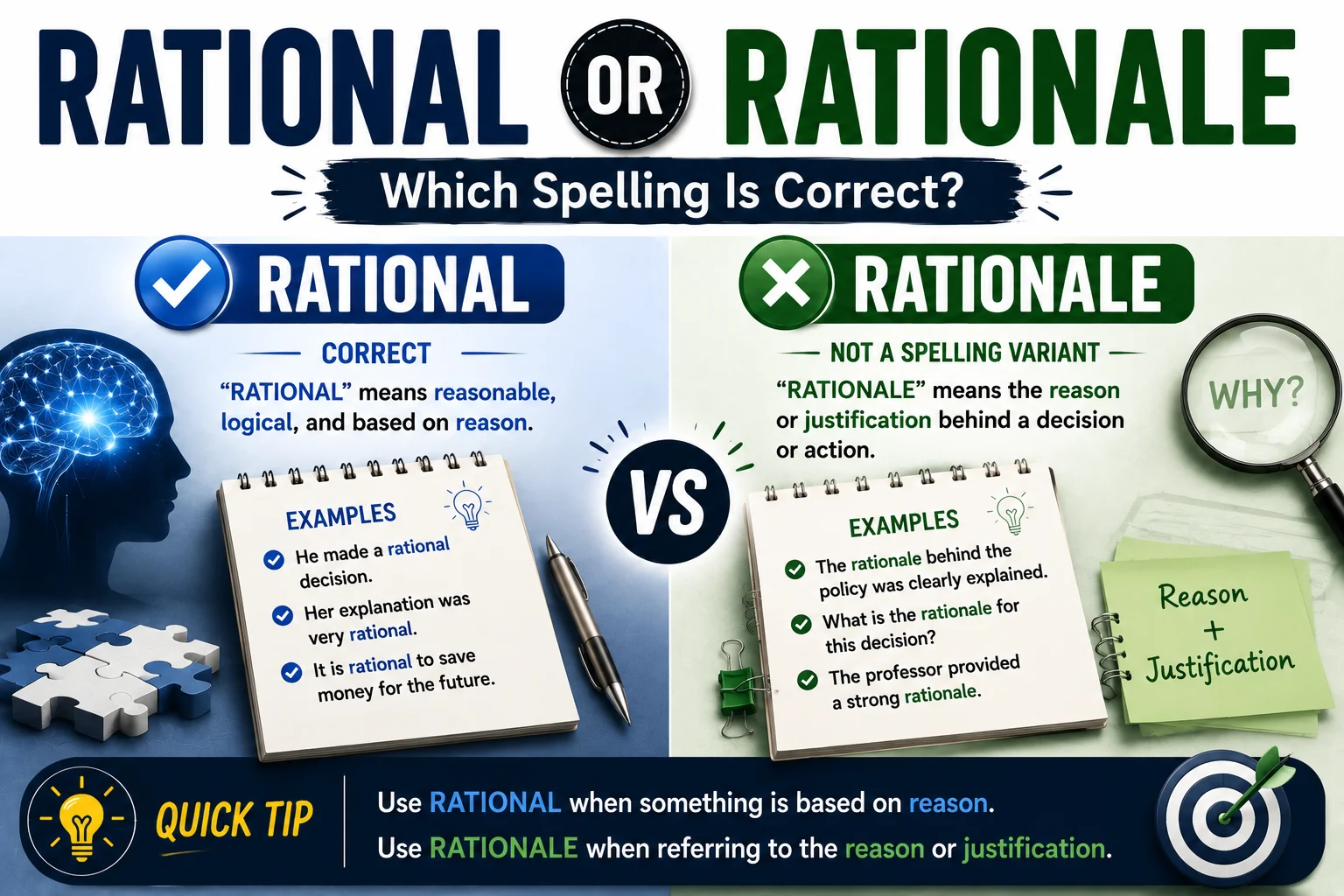
Rational is an adjective meaning sensible, logical, or based on reason. Rationale is a noun meaning the reason or explanation ...
Read more
Converse or Conversate: Which Is Correct?
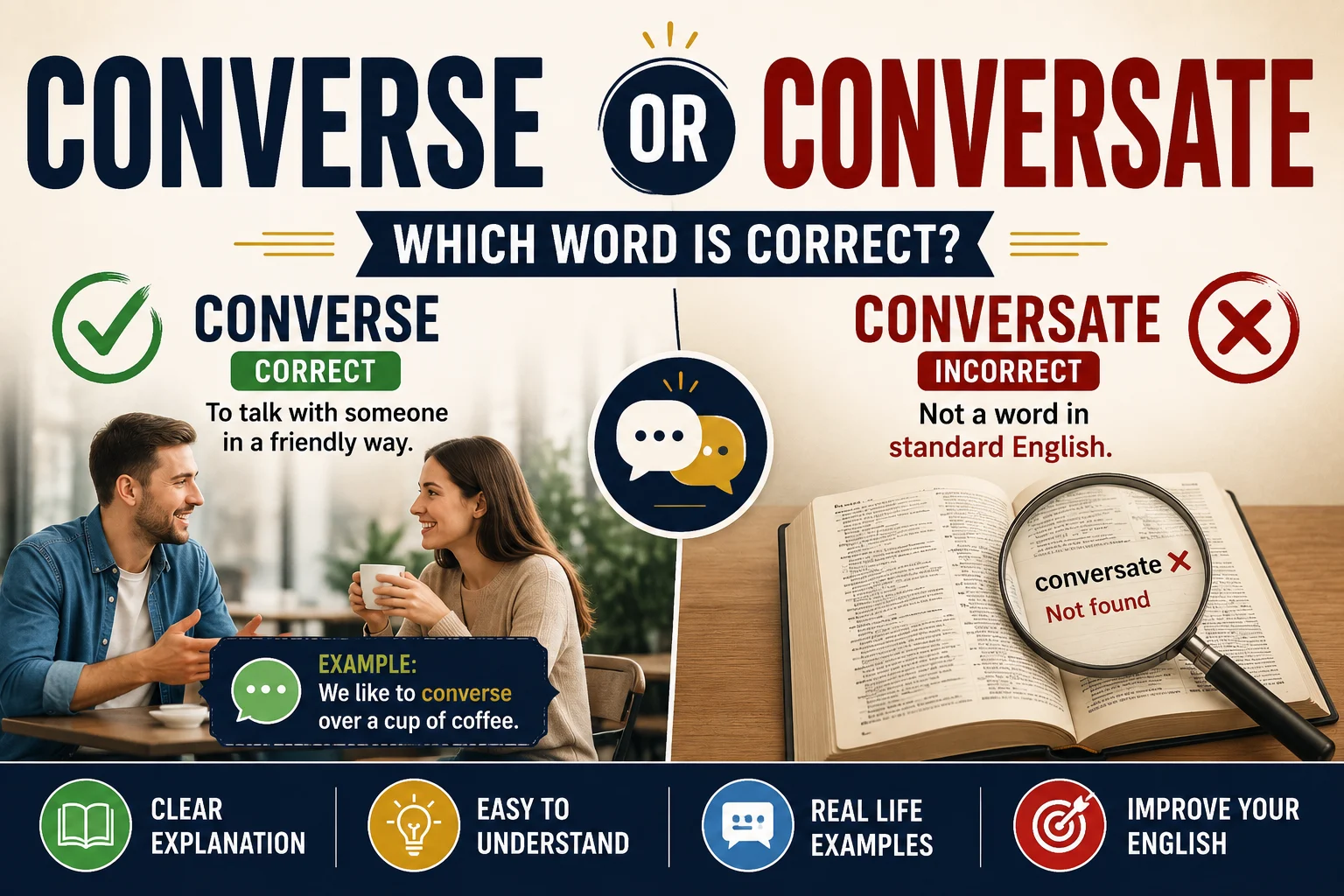
Converse is the standard and widely accepted verb meaning to talk with someone. Conversate is a less common verb and ...
Read more