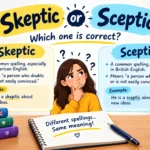
Skeptic or Sceptic: The Easy Spelling Guide
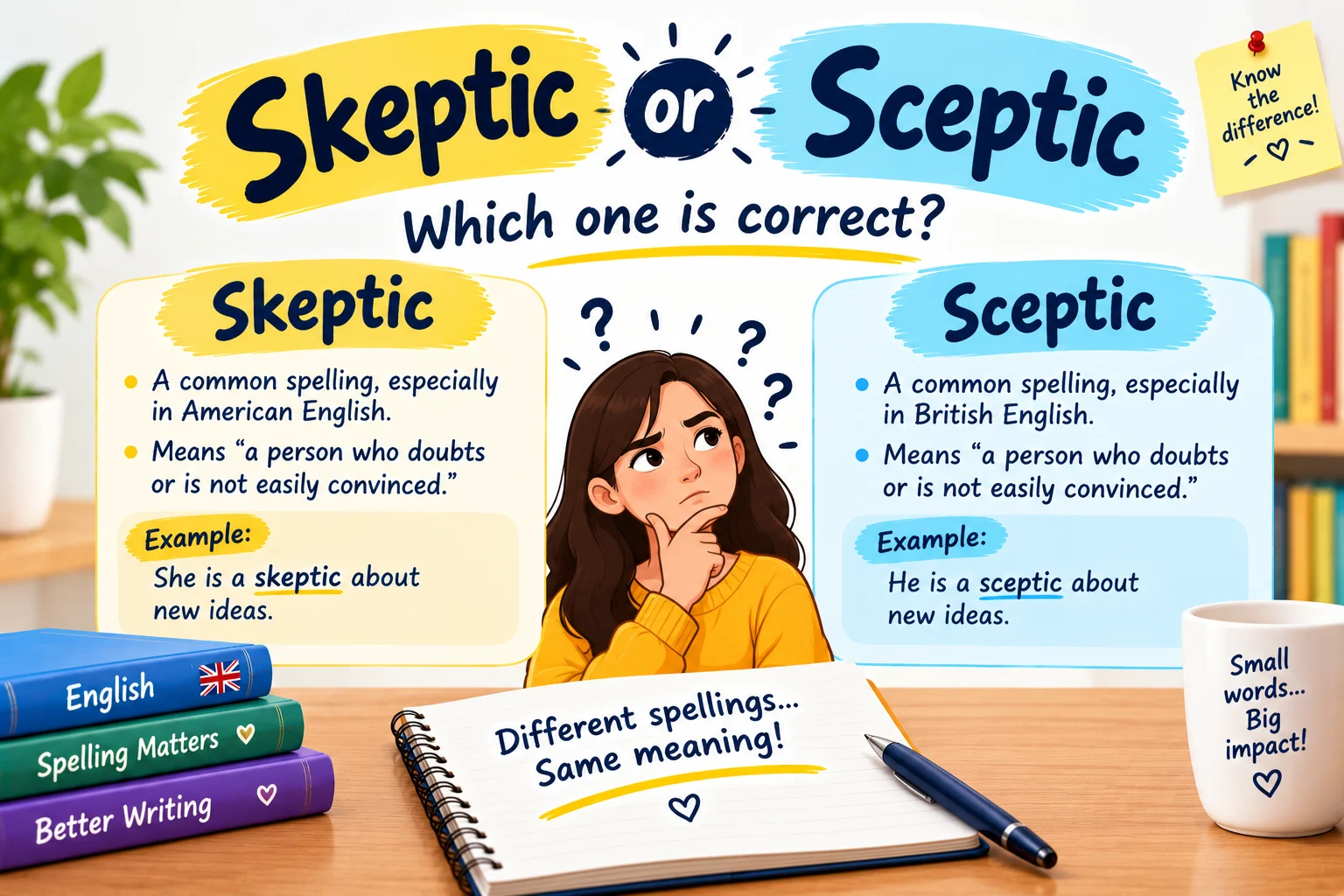
Skeptic and sceptic are both correct spellings. Skeptic is standard in American English, while sceptic is standard in British English. ...
Read more
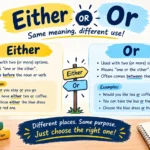
Neither Or: Easy Guide to the Difference
Neither means “not one and not the other” when talking about two choices. Or is often used with neither in ...
Read more
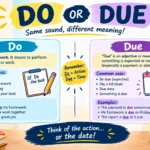
Do or Due: Easy Guide to the Difference
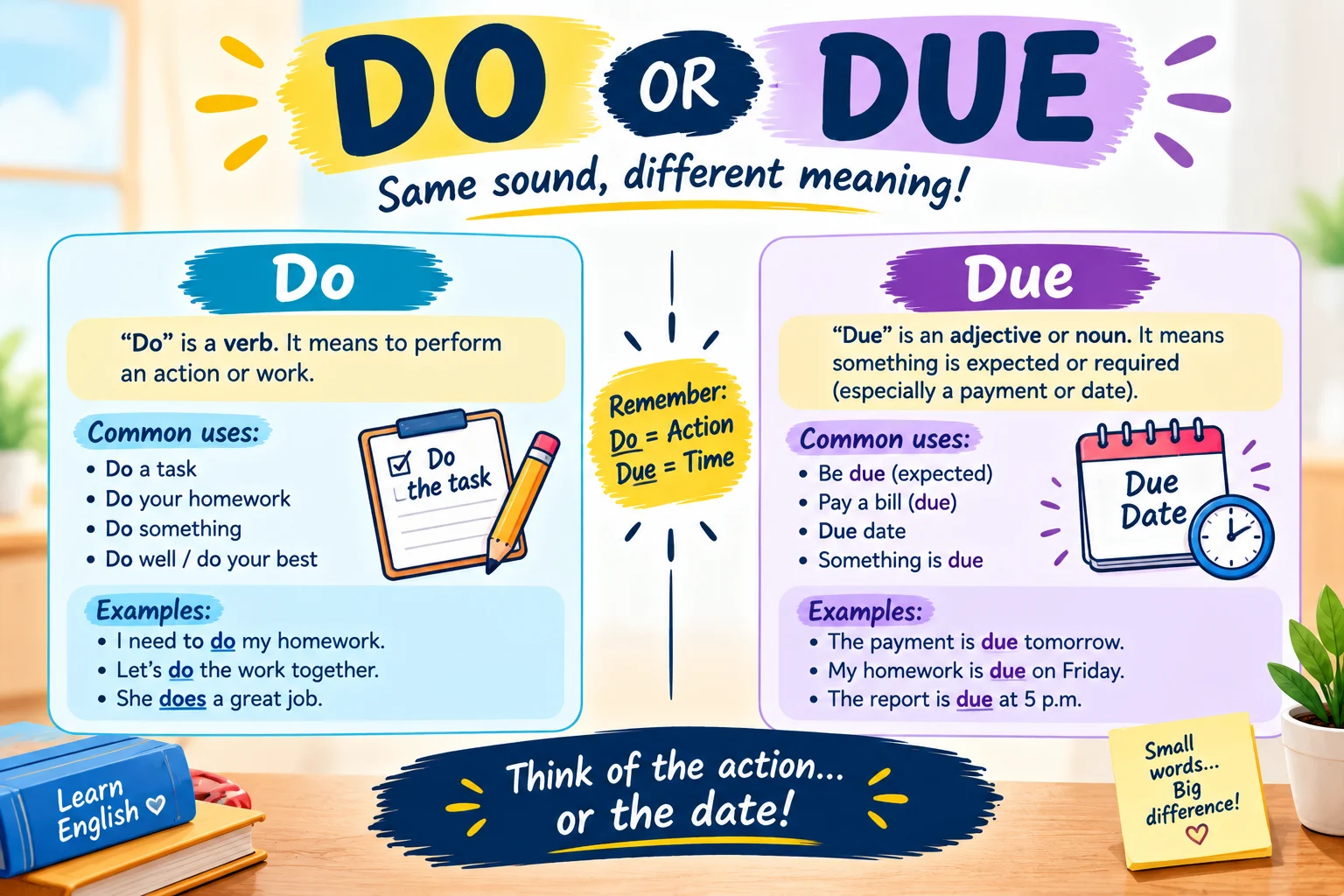
Do is a verb meaning to perform or complete an action. Due usually means expected, owed, or scheduled for a ...
Read more
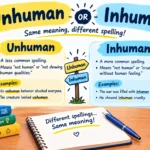
Unhuman or Inhuman: The Easy Difference Guide
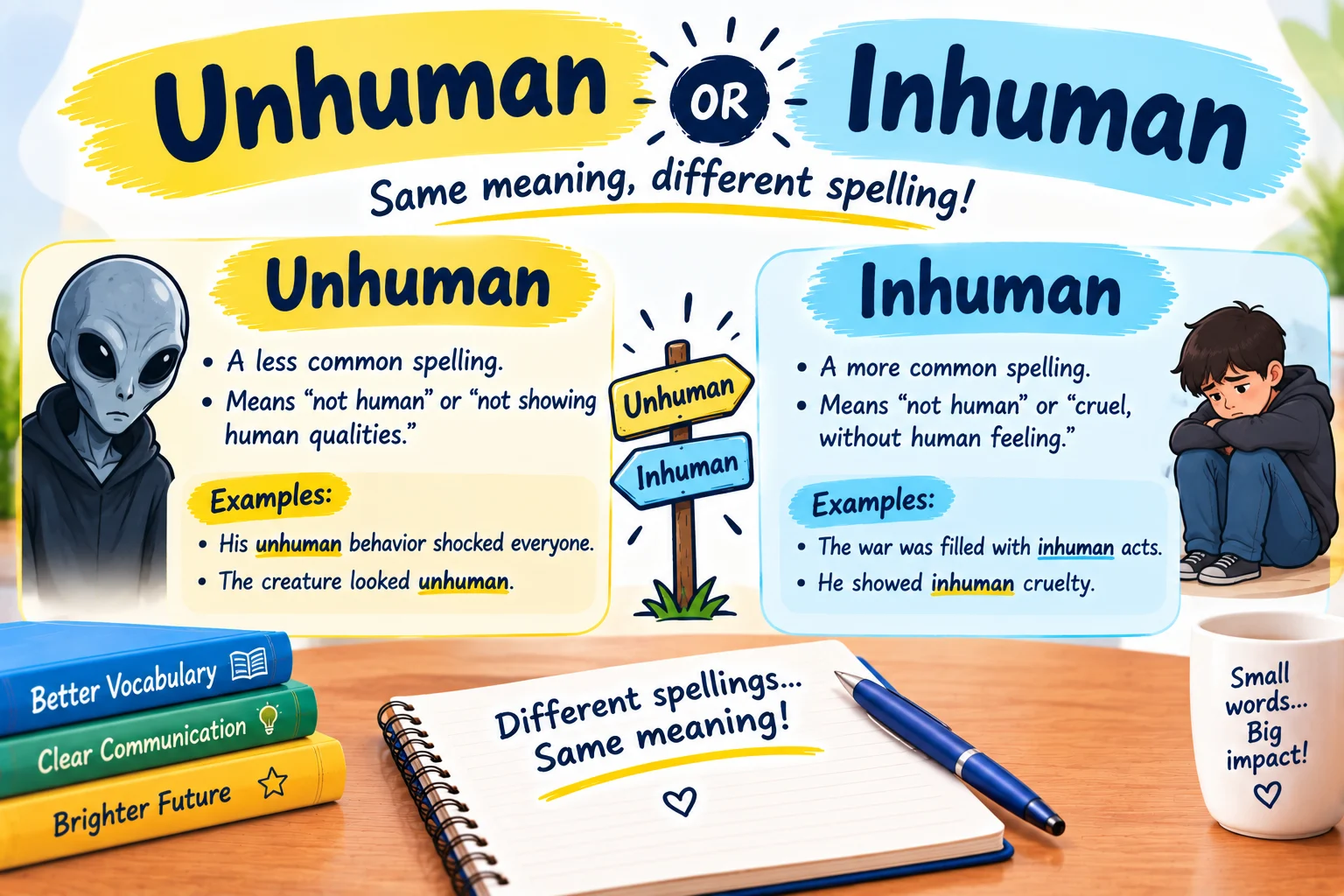
Inhuman is the usual word when you mean cruel, heartless, or lacking human kindness. Unhuman is much less common and ...
Read more
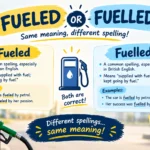
Fueled or Fuelled: The Easy Spelling Guide
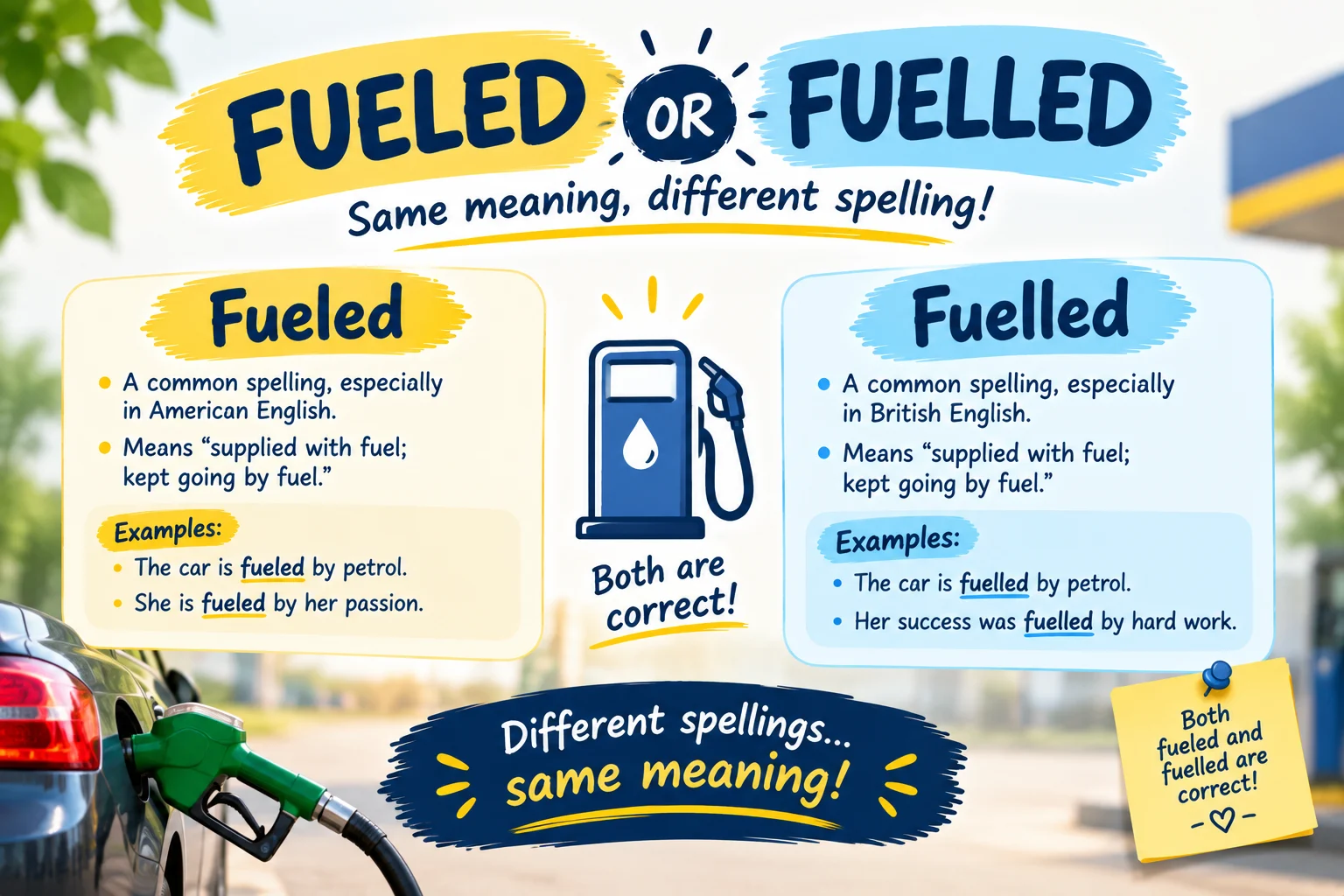
Fueled and fuelled are both correct spellings. Fueled is standard American English, while fuelled is standard British English. Have you ...
Read more
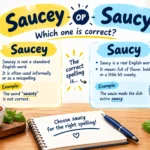
Saucey or Saucy: The Easy Spelling Guide
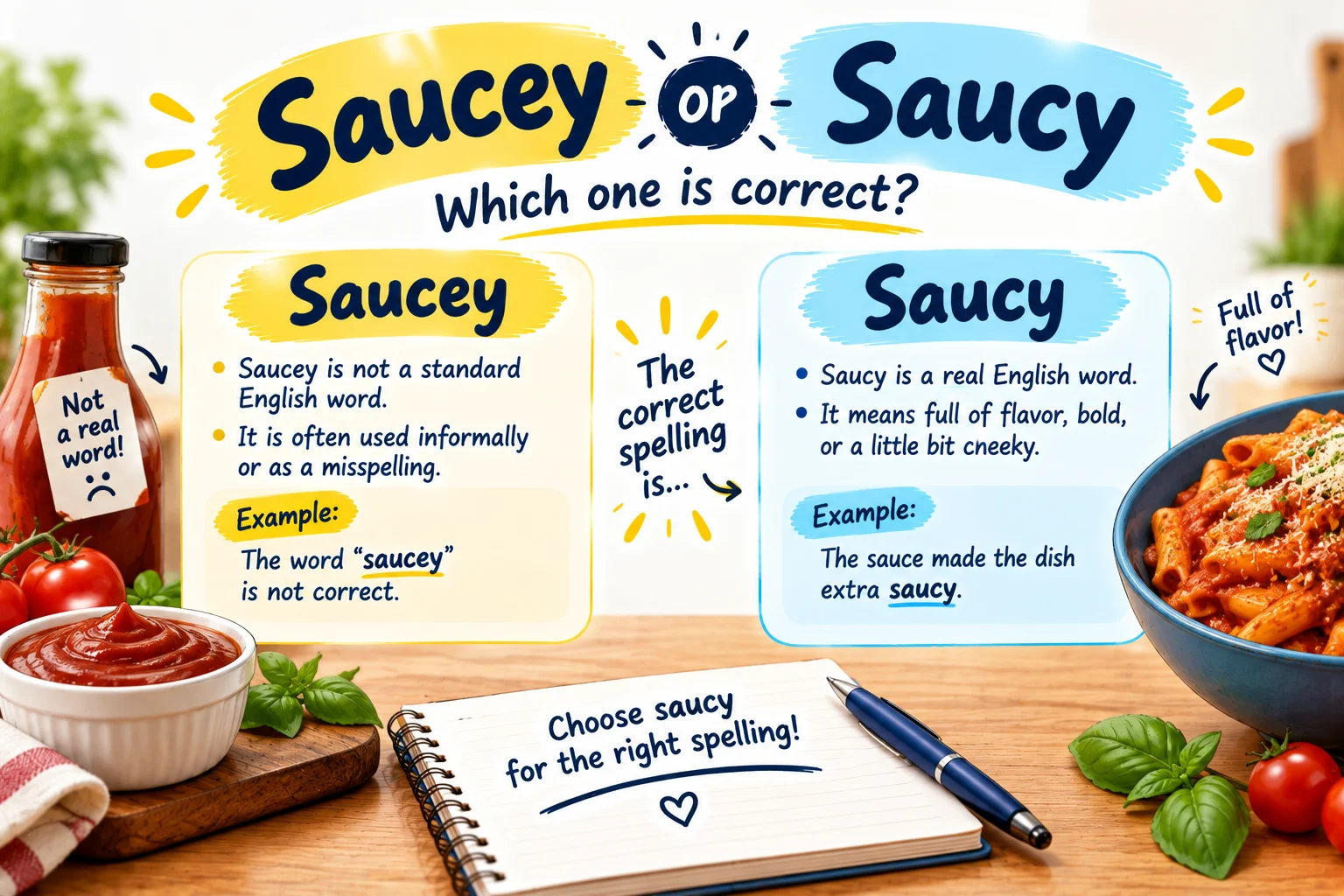
Saucy is the correct modern English spelling. Saucey is an uncommon and generally incorrect spelling when you mean full of ...
Read more
Ither or Either: The Easy Spelling Guide
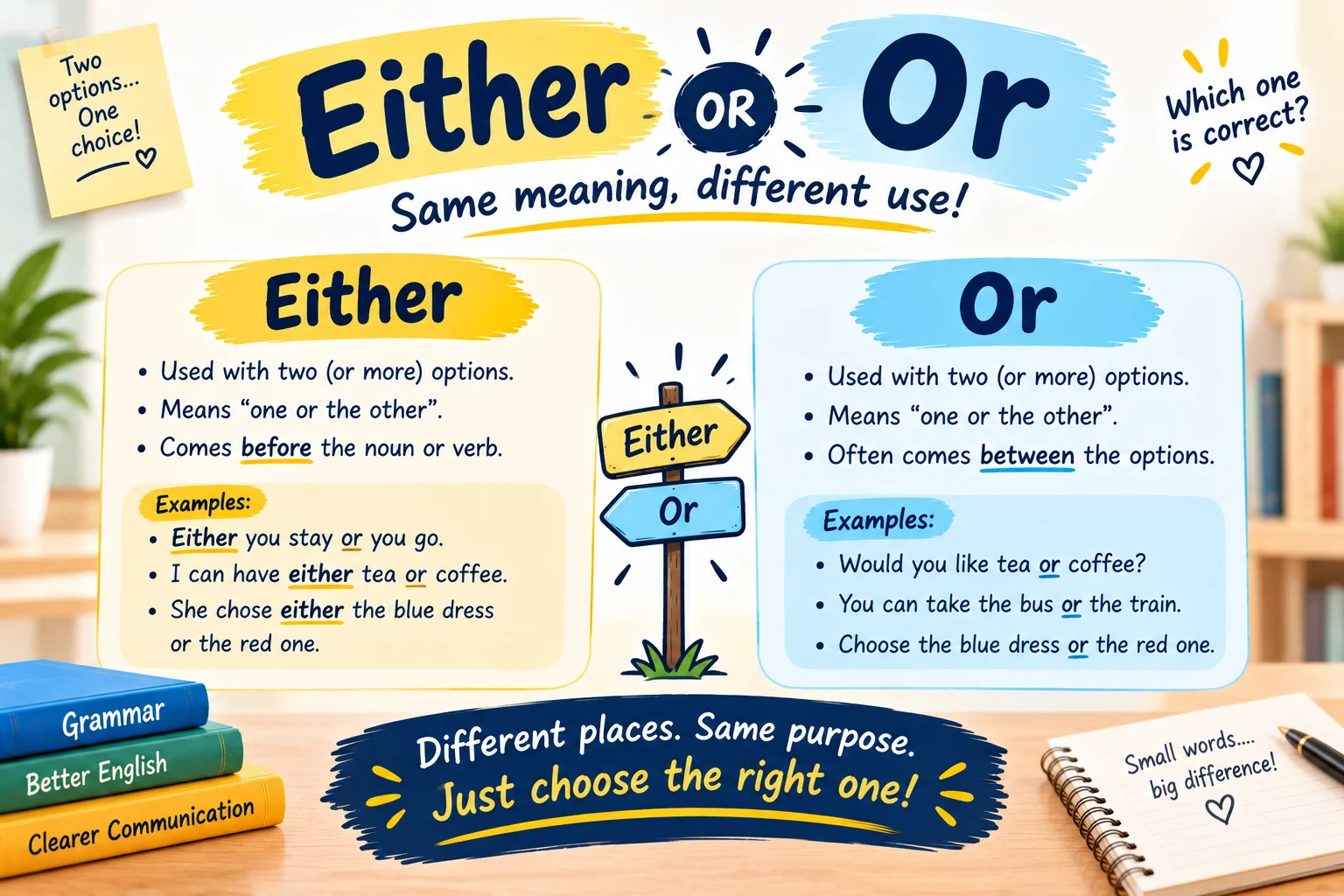
Either is the correct standard English word. Ither is not the standard spelling of either and should not be used ...
Read more
True or False: The Easy Guide to Meaning and Use
True or false is used to decide whether a statement is correct or incorrect. True means correct or based on ...
Read more
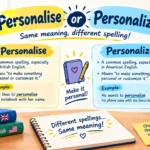
Personalise or Personalize: The Easy Spelling Guide
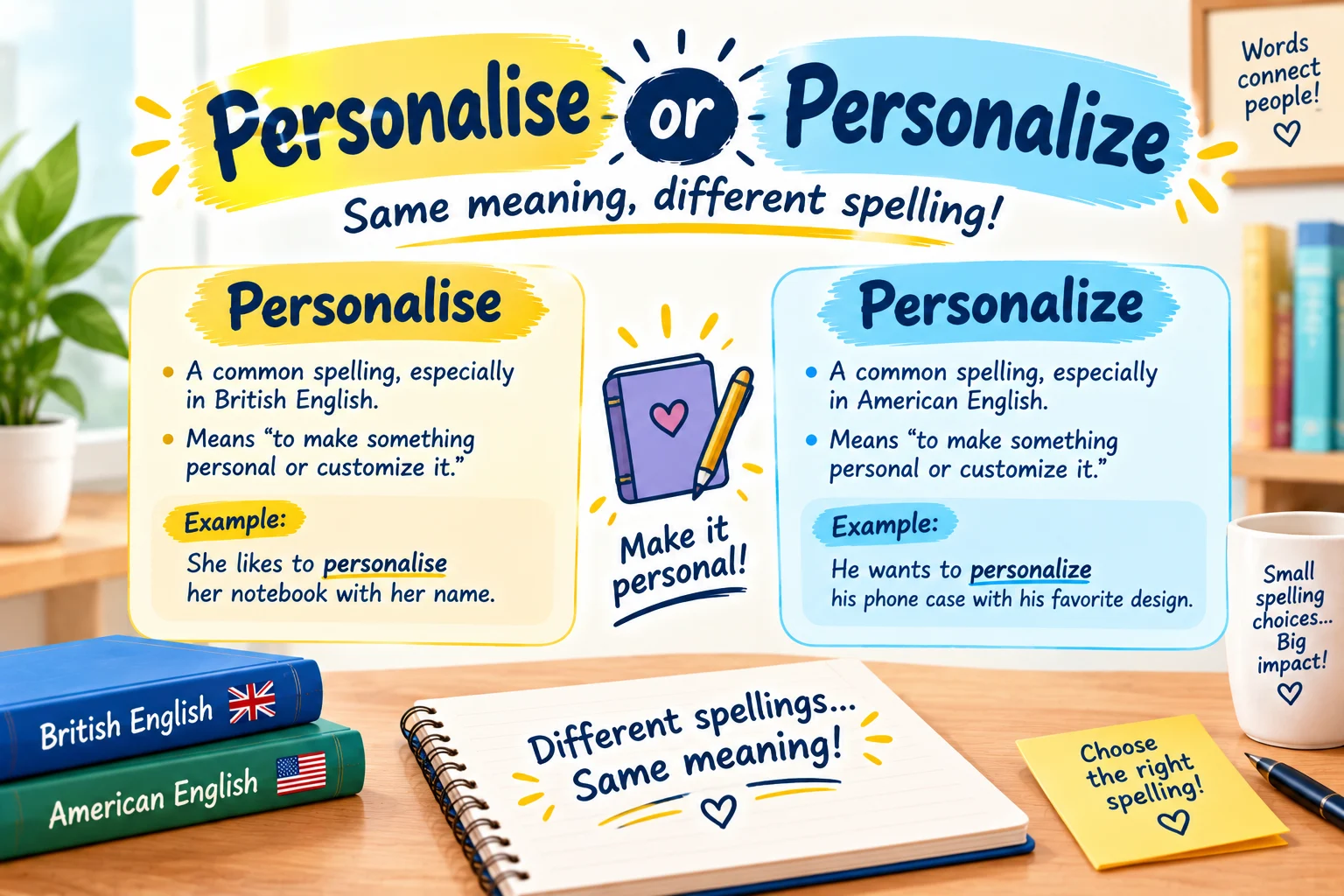
Personalise and personalize are both correct spellings. Personalise is mainly British English, while personalize is standard American English. Have you ...
Read more
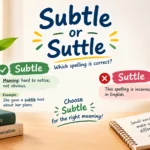
Subtle or Suttle: The Easy Spelling Guide
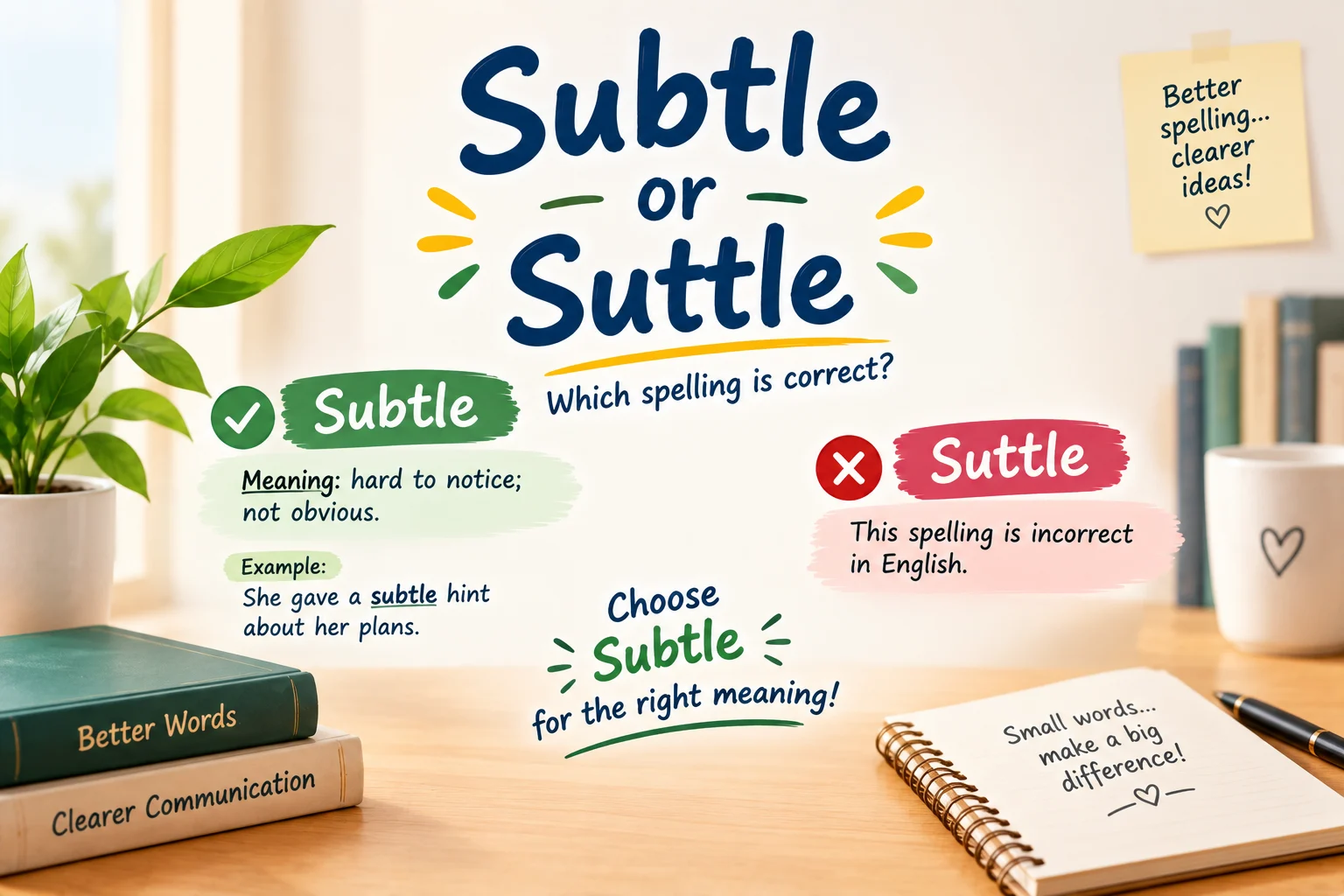
Subtle is the correct spelling. Suttle is not the standard spelling of the word when you mean something slight, delicate, ...
Read more